

Urgent · Treatment & living fund

Help Essma get her life back.

After 7 years of tests, ER visits and unanswered questions, Essma finally has a diagnosis, Functional Neurological Disorder, and a referral to Cleveland Clinic's specialized treatment program. Now the only thing standing between her and treatment is the cost of getting there.

Goal: $70,000to cover treatment, housing in Cleveland and basic living costs

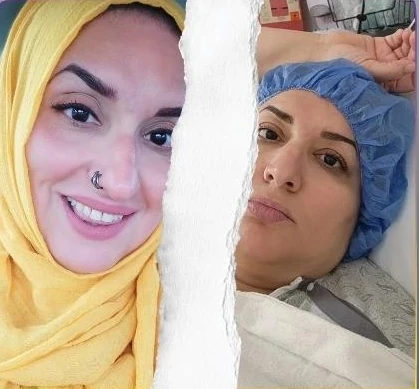
Two photos of Essma side by side: smiling in a yellow hijab before her illness, and lying in a hospital bed in a surgical cap.
Essma before her symptoms began, and in hospital today.
  • 7 yearssearching for answers
  • 10+ER visits this year alone
  • 4⁠–⁠6 weeksof treatment in Cleveland
  • $0covered by insurance or aid

In Essma's words

“Help me get my life back.”

I was healthy, spunky, social and fiercely independent. I was born in California, grew up in Oregon, and Kentucky has been home for the last 35 years. I earned a degree in Interior Design and Project Management in Seattle, and my work took me to multiple continents, countries and states. I planned events, volunteered at the Humane Society and in my community, and I was about to launch my podcast, “The Gabbi Hijabi.”

Then, slowly, something changed. It didn’t happen all at once. Little by little my body started doing things no doctor could explain: pain, numbness, weakness, spasms, tremors, dizziness, falls, and trouble walking, speaking and swallowing. Eventually, I stopped recognizing my own body.

Seven years of searching

For more than seven years I searched for answers. I saw neurologists, primary-care doctors, specialists, physical therapists and emergency-room doctors. I went through MRIs, CT scans, EMG/NCS testing, two swallow studies, every kind of bloodwork and countless appointments. I became my own detective, because I knew something was wrong.

Without a diagnosis that explained what was happening, I couldn’t get the help I needed. I had to stop working altogether, and I was denied disability because no one could name my condition.

Finally, an answer

My neurologist at the Cleveland Clinic MS Department determined that my symptoms are consistent with Functional Neurological Disorder (FND), not MS. FND is a real neurological disorder that disrupts the way the brain and body communicate. The symptoms are real, the disability is real, and most importantly, FND can be treated.

I’ve been referred to Cleveland Clinic’s specialized FND program, one of the top-rated in the country, where a multidisciplinary team will help retrain my brain and body to work together again. My local hospital can’t provide this care. Treatment takes about 4⁠–⁠6 weeks, and I need to live near the clinic to receive it.

The gap I can’t bridge alone

I live alone and I haven’t been able to work. My insurance won’t cover the treatment, and because I’m not an Ohio resident, I don’t qualify for the clinic’s financial assistance. I’m reapplying for disability with my new diagnosis, but approval can take up to nine months. I’m caught between being too sick to work and waiting for help that may come too late.

Asking for help is incredibly hard for me. I’ve always been the independent one, the creative one, the problem-solver who helps other people. But after seven years, my resources are exhausted, and I don’t want to give up now that I finally have a real chance to get better.

I want to work again. I want to create again. I want to be social again and make plans without wondering what my body will do that day. I don’t expect anyone to fix my life for me. I just need help getting to the place where I can begin rebuilding it myself.

With gratitude, Essma
Why she can't wait

Essma has run out of options. Except one: you.

She is ready to begin treatment the moment her goal is reached. Until then, every week of waiting is another week of symptoms, bills and lost time.

  • Insurance won't cover it

    The specialized FND program isn't covered, and as a Kentucky resident she doesn't qualify for Cleveland Clinic's financial assistance.

  • She can't work, and she lives alone

    Her symptoms forced her to stop working. Rent, utilities and food haven't stopped.

  • Disability can take up to 9 months

    She was denied before she had a diagnosis. She's reapplying now, but approval can take months she doesn't have.

  • She has to relocate for treatment

    Treatment means living near the clinic in downtown Cleveland for 4⁠–⁠6 weeks, on top of keeping her home in Kentucky.

  • Her symptoms are getting harder

    Her symptoms are severe and unpredictable, and she fears lasting damage the longer treatment is delayed.

  • You can close the gap.

    A gift of any size moves Essma closer to Cleveland and to her life back.

    Donate now

Seven years of searching

Dozens of doctors. Countless tests. Finally, one answer.

Before her FND diagnosis, Essma spent years being tested, treated and sent home without answers, including more than 10 ER visits this year alone.

Symptoms she lives with

  • Chronic pain
  • Choking & trouble swallowing
  • Speech changes
  • Muscle weakness
  • Spasms & tremors
  • Numbness
  • Falling & stumbling
  • Debilitating vertigo
  • Vision decline
  • Racing heart
  • Hot & cold sweats
  • Insomnia
  • Bladder & bowel problems
  • Unexplained rashes
  • Anxiety & depression

Tests & treatments tried

  • MRIs & CT scans
  • EMG/NCS nerve testing
  • 2 swallow studies
  • Stress test
  • Neuropsychological study
  • Sleep study
  • Endoscopy & colonoscopy
  • Thyroid & cortisol levels
  • Every type of bloodwork
  • Vision & hearing evaluations
  • Physical therapy
  • PRP injections
  • Nerve ablations
  • Pain management

Specialists seen

  • Neurologists
  • A neuroscientist
  • Primary-care doctors
  • Psychologist
  • Cardiologist
  • Endocrinologist
  • Rheumatologist
  • Sleep specialist
  • Pain management
  • Emergency-room doctors

Understanding an invisible illness

What is Functional Neurological Disorder?

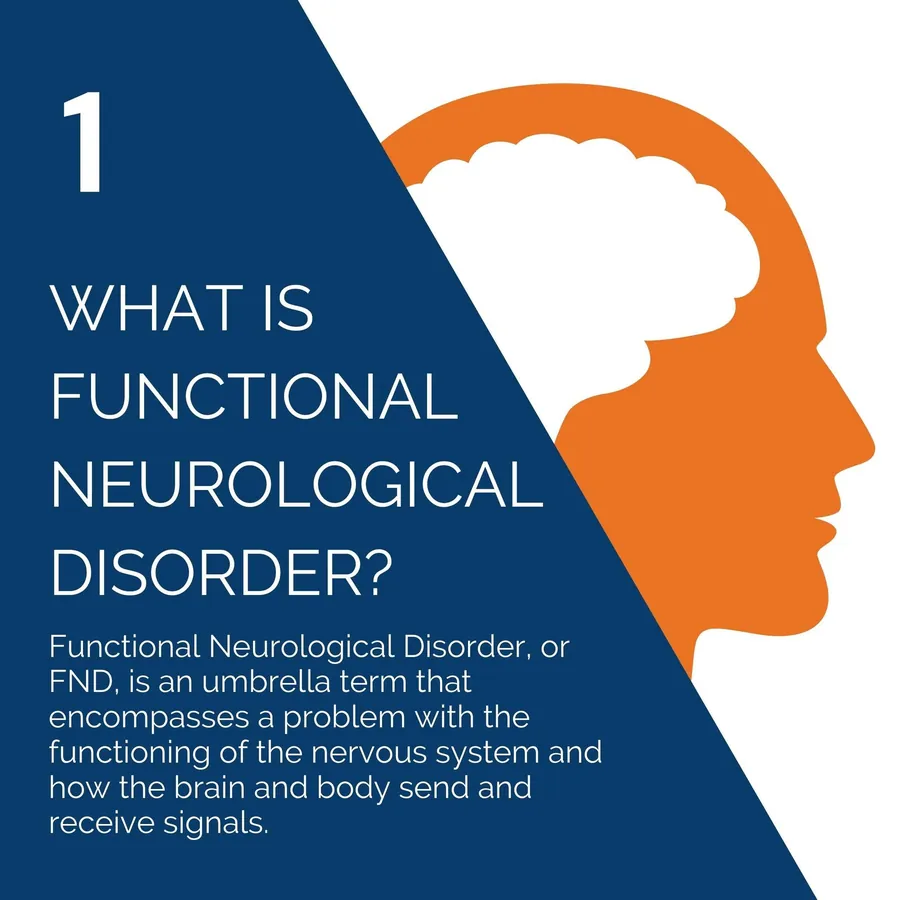
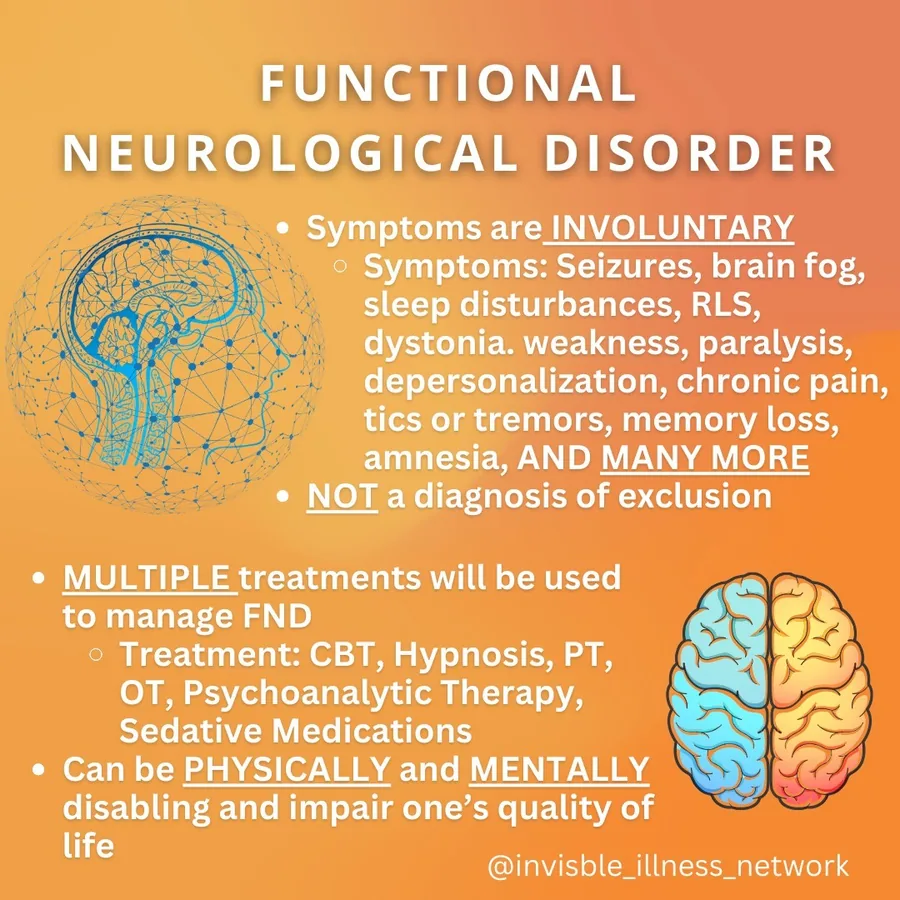
Functional Neurological Disorder is a problem with how the brain sends and receives signals to the body. The nervous system isn't damaged; it isn't working properly. It's often called an “invisible illness” because routine scans come back normal, even while the person loses the ability to walk, speak or swallow normally.

  • It's common

    FND is one of the most common reasons people see a neurologist, more common than multiple sclerosis. Yet most people have never heard of it.

  • It's real and involuntary

    Symptoms are not imagined or put on. They come from a problem in how brain networks function, often described as a “software” problem rather than “hardware” damage.

  • It can be severely disabling

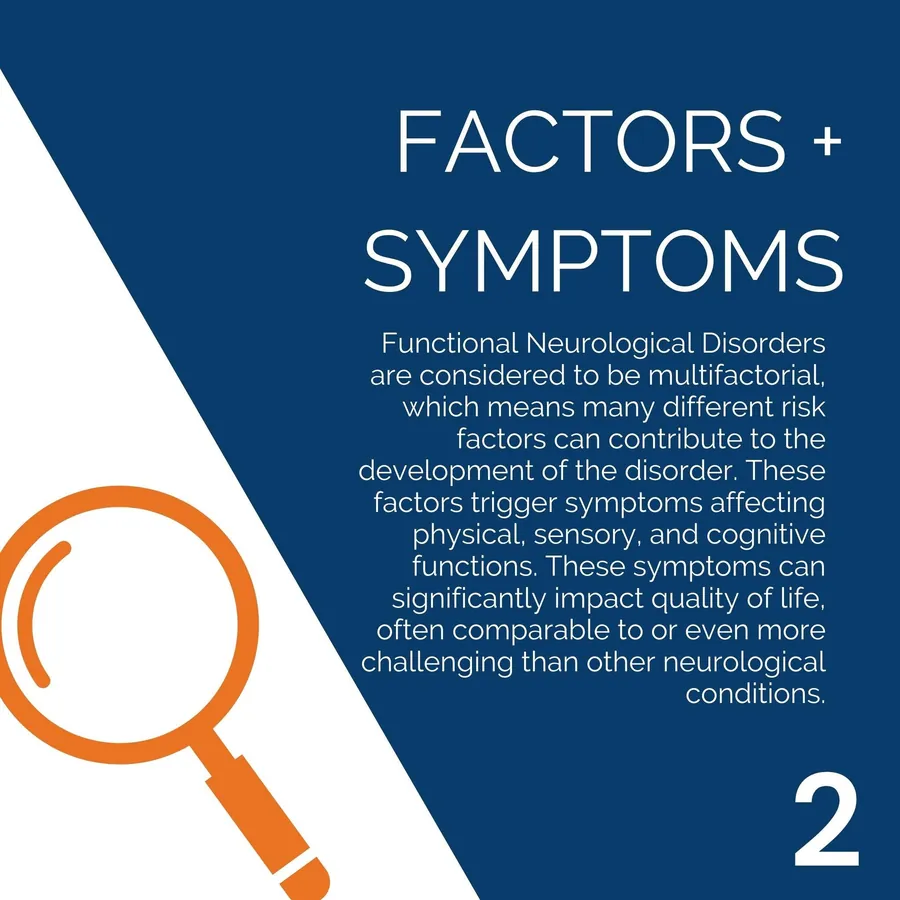
    Weakness, tremors, seizures, falls, pain and speech problems can affect quality of life as much as other neurological conditions, or more.

  • It's diagnosed by positive signs

    Experienced neurologists recognize specific clinical signs of FND. It's not simply what's left after everything else is ruled out.

  • It's treatable

    Specialized rehabilitation (physical, occupational and speech therapy plus psychological therapy, delivered by an expert team) can help the brain relearn normal movement and function.

  • Specialist care is scarce

    Few hospitals run dedicated FND programs. That's why Essma has to travel to Cleveland, and why she can't get this care at home.

Learn more about FND: neurosymptoms.org · FND Hope · Cleveland Clinic

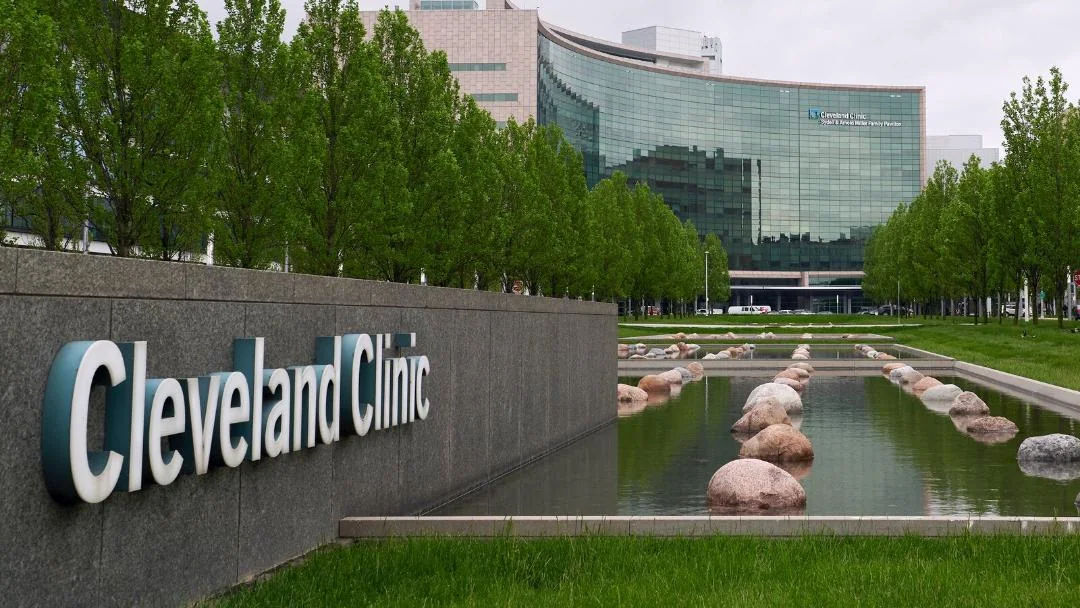
The Cleveland Clinic main campus in Cleveland, Ohio, with its sign in the foreground.
Total goal$70,000

Complete transparency

Where every dollar goes

This goal isn't only for medical treatment. It covers the entire period Essma needs to be in Cleveland to access treatment and safely support herself while she's there.

  • Specialized FND treatment

    Intensive multidisciplinary care with the specialists she's been referred to, which insurance won't cover.

  • Housing near Cleveland Clinic

    Temporary housing close enough to attend frequent appointments and therapy sessions.

  • Transportation

    Gas, parking, and getting to and from treatment.

  • Food & basic living costs

    Everyday necessities while she's away from home.

  • Rent & bills at home

    Rent, utilities and everyday expenses that don't stop while she can't work.

  • Medical & recovery needs

    Supportive clothing and equipment for therapy, mobility and recovery, plus other care-related costs.

  • A small emergency cushion

    Because her symptoms fluctuate and unexpected expenses can arise.

Fund Essma's treatment

Every bit helps

Three ways you can help today

  1. 1

    Give

    Any amount helps cover treatment, housing and the basics while Essma can't work.

    Donate now
  2. 2

    Share

    Most gifts come from friends of friends. Sharing this page with one person could reach the person who can help.

  3. 3

    Pray & spread awareness

    Keep Essma in your prayers, and help people understand FND, an illness too many suffer with in silence.

With the support of our community

  • Masjid Bilal Ibn Rabah
  • SHARE Kentucky

She's so close

Help Essma take the next step.

Every donation, no matter the amount, makes a difference. If you can't give, sharing this page or keeping Essma in your prayers means more than she can say.

Goal: $70,000to cover treatment, housing in Cleveland and basic living costs

Choose an app to see its QR code

Donate to Essma